News
-
Innovative Ideas and Successful Pitches at INNOMEET XVI
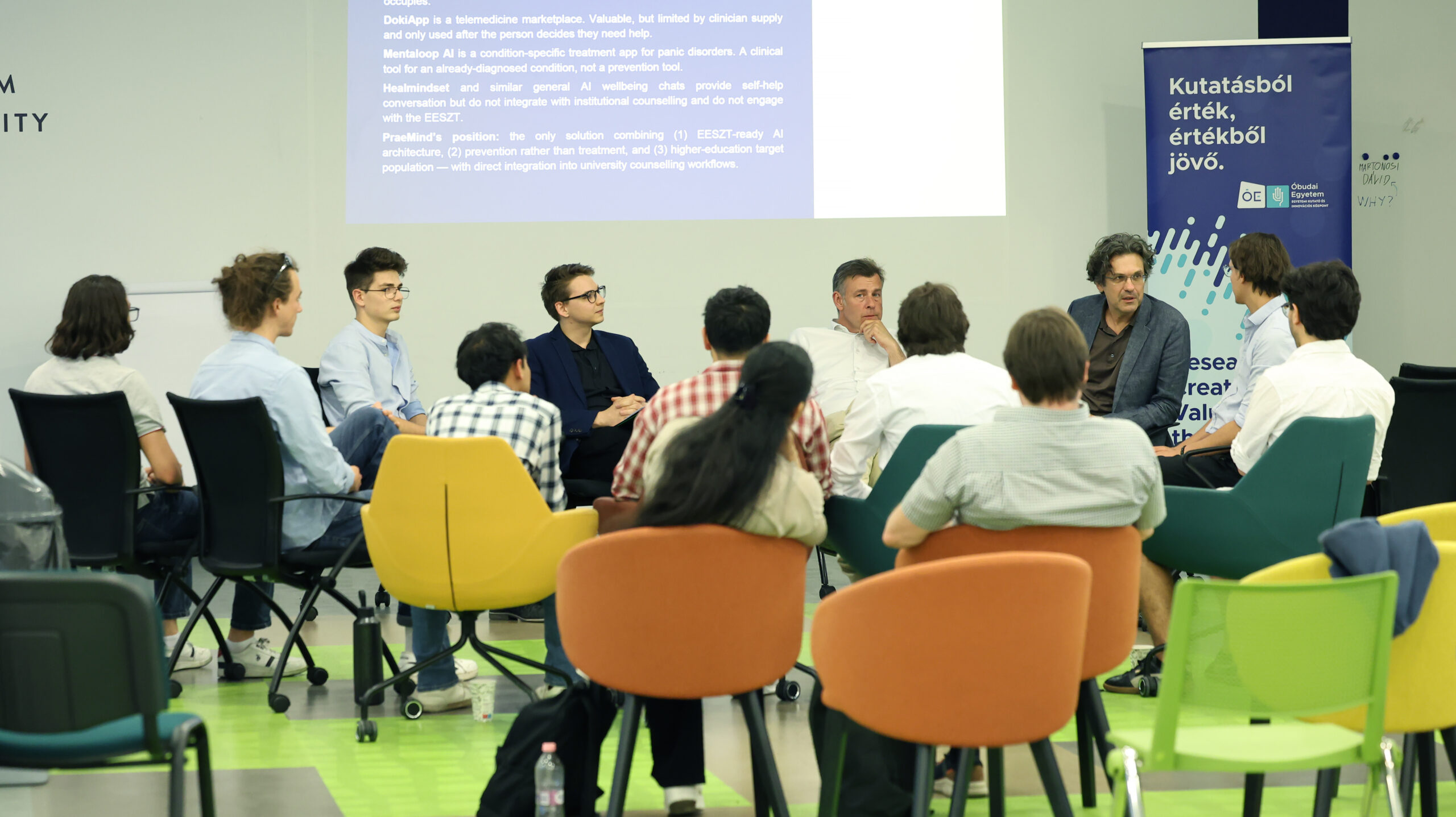
The sixteenth edition of INNOMEET has successfully concluded, bringing together students, innovators, and professionals to explore the latest developments in student innovation and entrepreneurship. One of the highlights of the event was the MVP Competition and Pitch Contest, which provided university students with an opportunity to present their innovative ideas and startup initiatives to a…
-
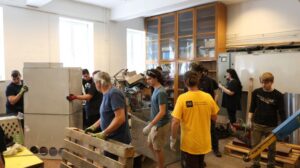
Another Step Towards the MakerSpace – Makerspace Day Held for the Second Time
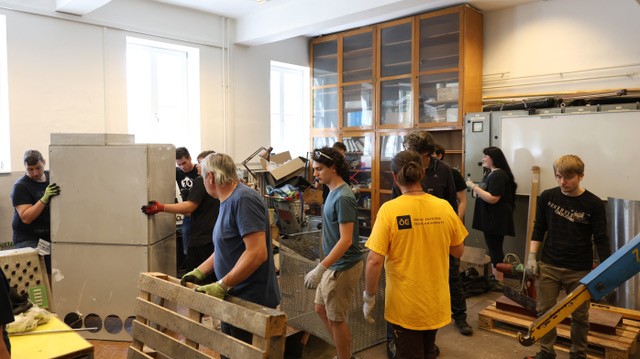
Following the success of the first event, the second Makerspace Day was once again dedicated to advancing the development of the university’s future MakerSpace. The event demonstrated that innovation often begins with hands-on work and a shared commitment to building something meaningful together. The creation of the MakerSpace is part of the university’s long-term development…
-
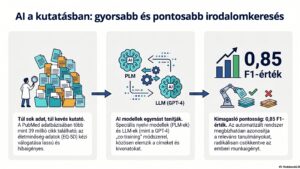
How AI is Reshaping Medical Research: A New Tool for Automated Literature Screening
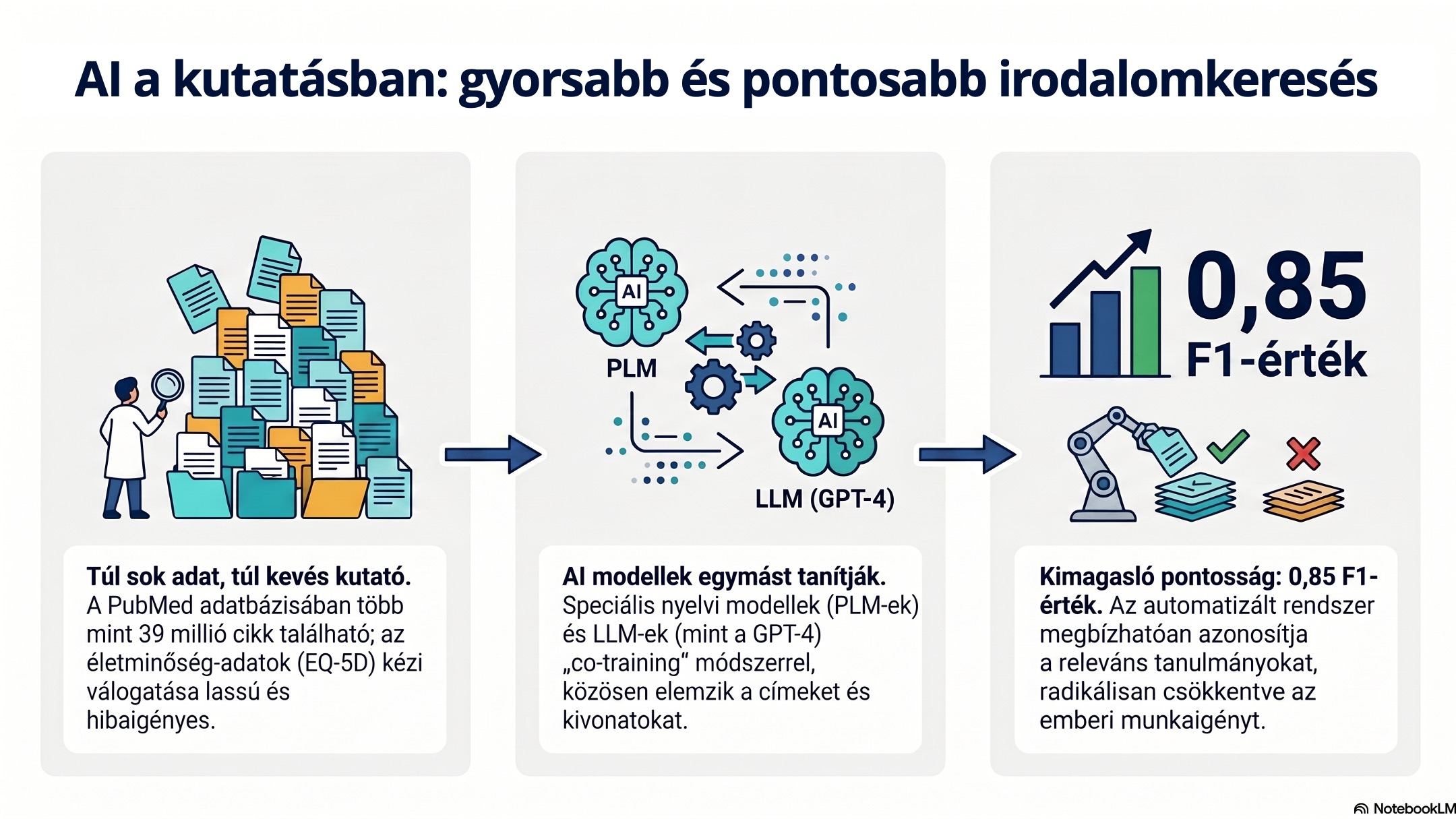
Finding specific medical studies, like those using the EQ-5D quality-of-life questionnaire, among millions of PubMed articles is a slow and exhausting manual process. To solve this, researchers developed an automated system utilizing advanced artificial intelligence and pre-trained language models (like BioBERT) to read article metadata and classify them automatically. By combining different AI models and…
-
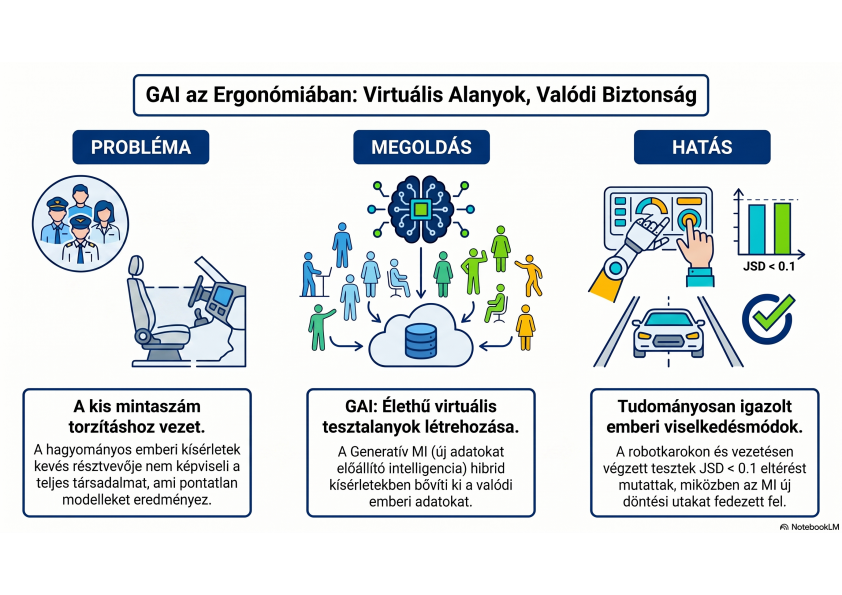
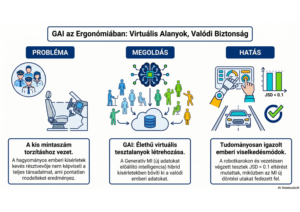
Generative AI Sparks a New Era in Ergonomics: Virtual Subjects Help Design Safer Machines
Scientists have long studied how humans interact with machines, but traditional experiments struggle to recruit a large and diverse enough pool of participants. This often results in incomplete behavioral data that fails to fully represent how different people react in high-pressure or unexpected situations. To solve this dilemma, researchers introduced generative artificial intelligence (GenAI) to…
-
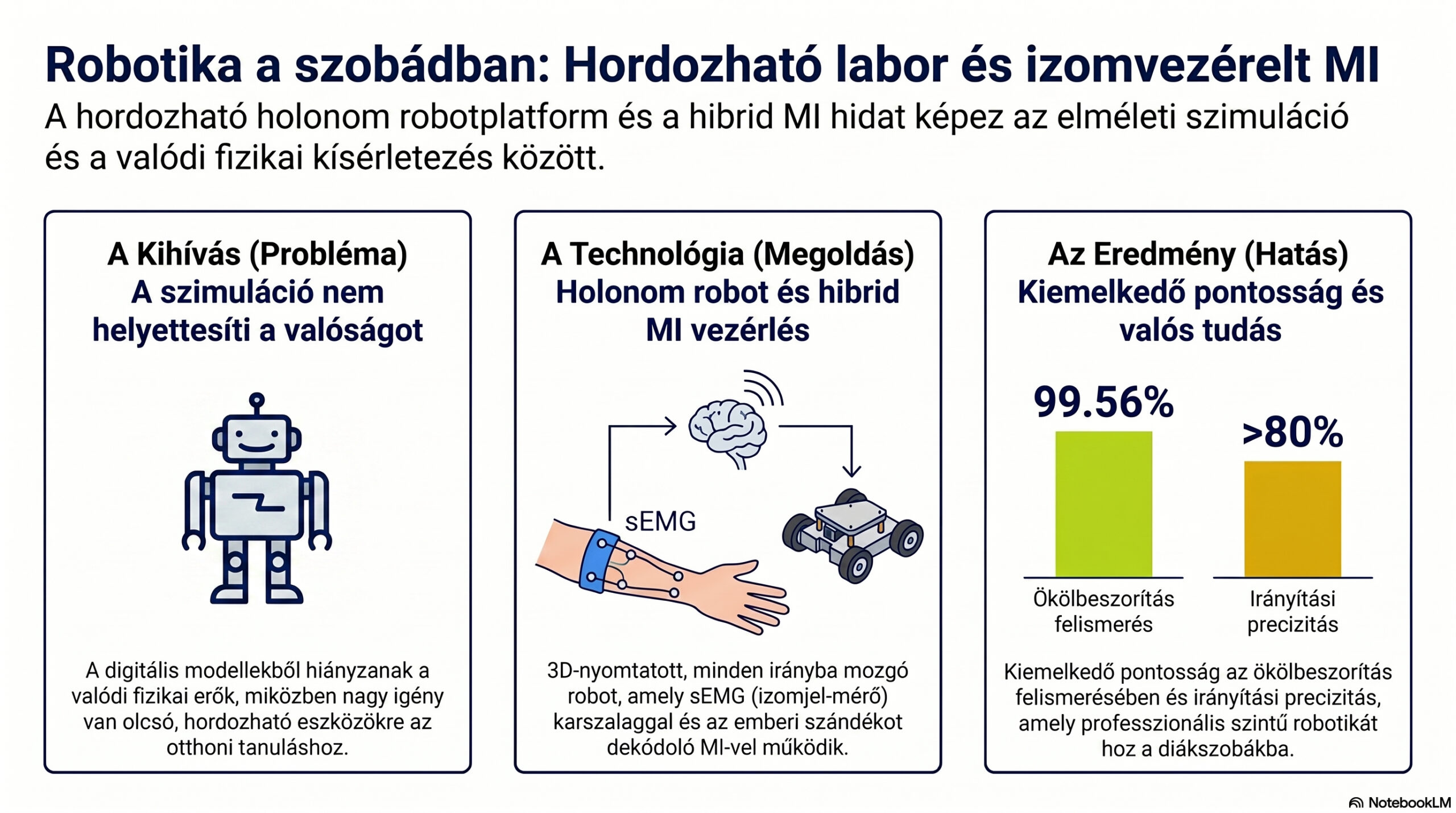
Muscle-Controlled Omnidirectional Robot: Bringing Advanced Engineering Labs to Students’ Homes
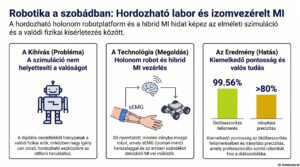
Following the pandemic, engineering students needed practical ways to conduct complex hardware experiments at home, as software simulations simply cannot fully replicate real-world physical challenges like friction or sensor noise. To solve this, researchers designed a low-cost, modular omnidirectional robot that can move freely in any direction using a 3D-printed chassis. Instead of using a…
-
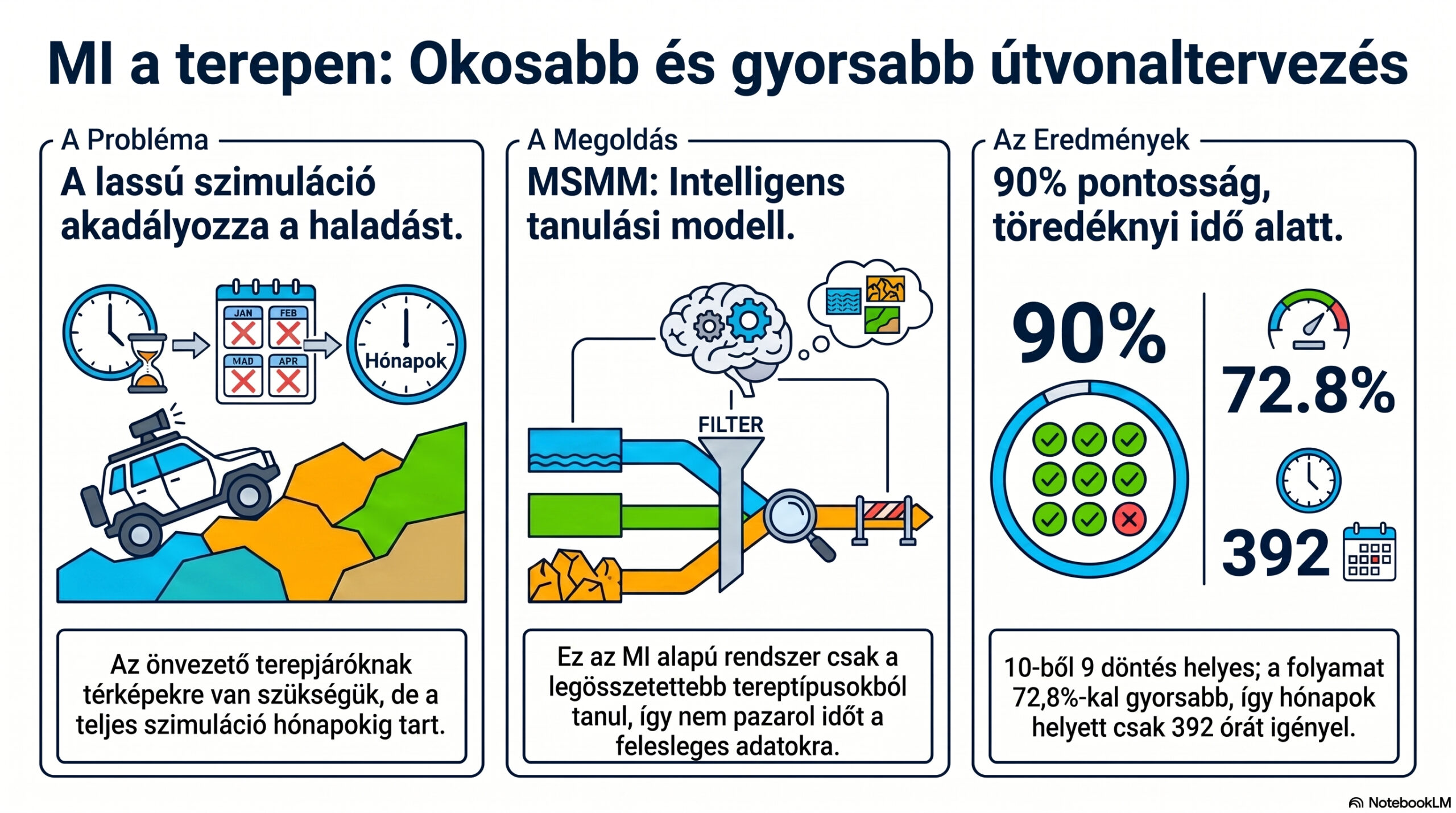
How Autonomous Vehicles Learn to Navigate Off-Road: A New AI-Driven Approach to Faster Path Planning
Navigating off-road environments is a massive challenge for autonomous vehicles. Terrain conditions like soil composition and slopes vary constantly, and traditional physical simulations are computationally too expensive and slow to map large areas efficiently,. To solve this, researchers developed the MSMM framework, a novel artificial intelligence approach using multi-strategy active learning. Instead of simulating every…
-
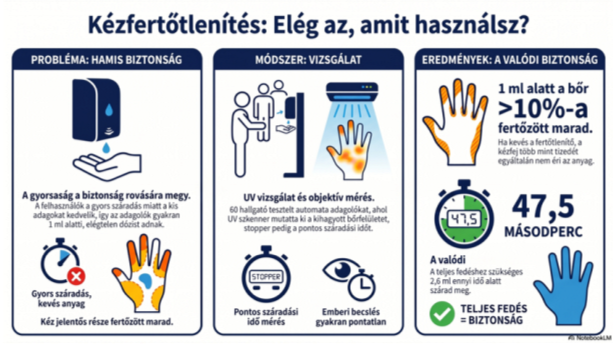
The Right Amount Matters: Uncovering the Truth About Foam Hand Sanitizer Dispensers
Proper hand hygiene is essential for preventing the spread of hospital infections, but healthcare workers generally prefer using small amounts of sanitizer because it dries much faster. Reacting to this trend, manufacturers increasingly design touch-free dispensers to release smaller doses, raising critical questions about whether these preset amounts actually provide enough foam to cover the…
-
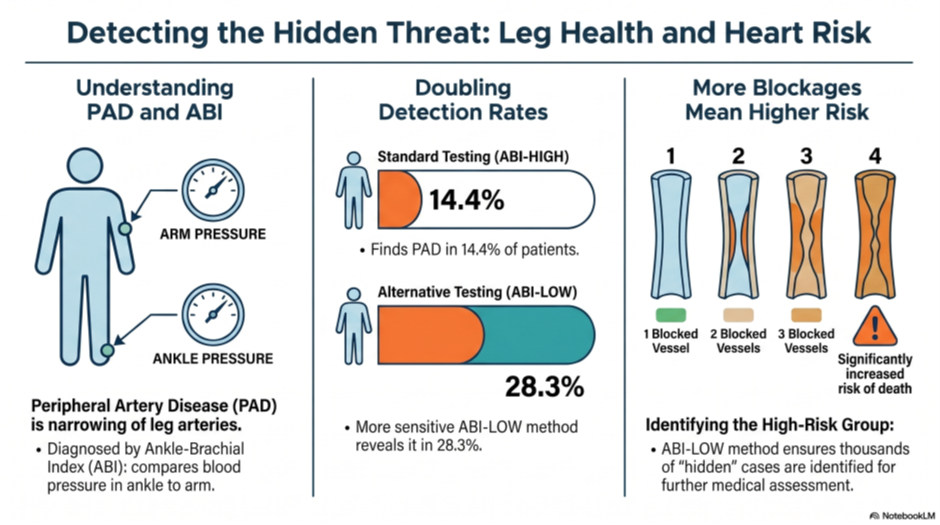
Hidden Artery Disease: Can New Blood Pressure Tests Better Predict Patient Survival?
People with high blood pressure are at great risk for narrowed leg arteries, but the standard test—comparing blood pressure in the ankle to the arm—often misses early signs of the disease. Researchers tracked nearly 22,000 patients with high blood pressure for five years to see if calculating the test differently (using the lowest blood pressure…
-
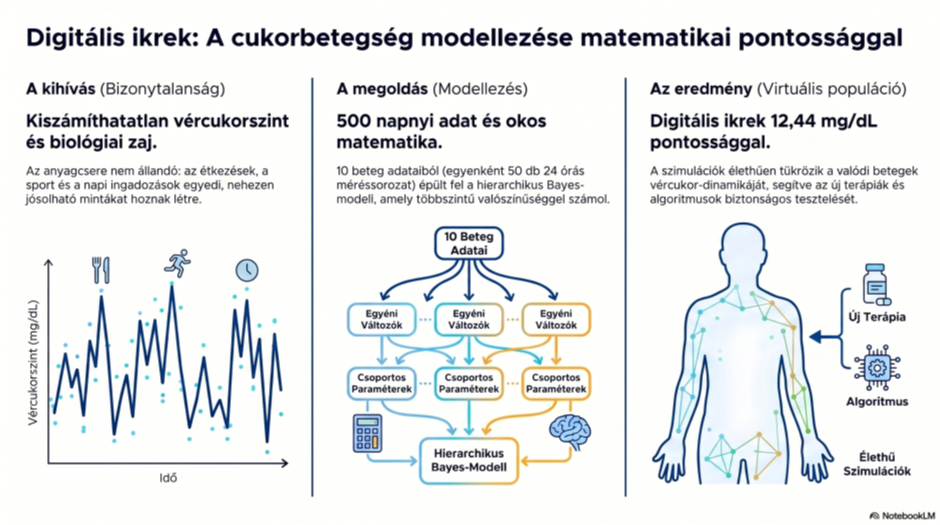
Digital Twins for Diabetes: A New Mathematical Model to Predict Blood Sugar Accurately
Predicting blood sugar levels for people with Type 1 Diabetes is a massive challenge because the human body’s processes are always changing and influenced by unpredictable factors like stress, daily metabolism shifts, and physical activity. Researchers built a hierarchical Bayesian model—a complex mathematical system based on probability—that analyzed 500 individual 24-hour sets of data from…
-
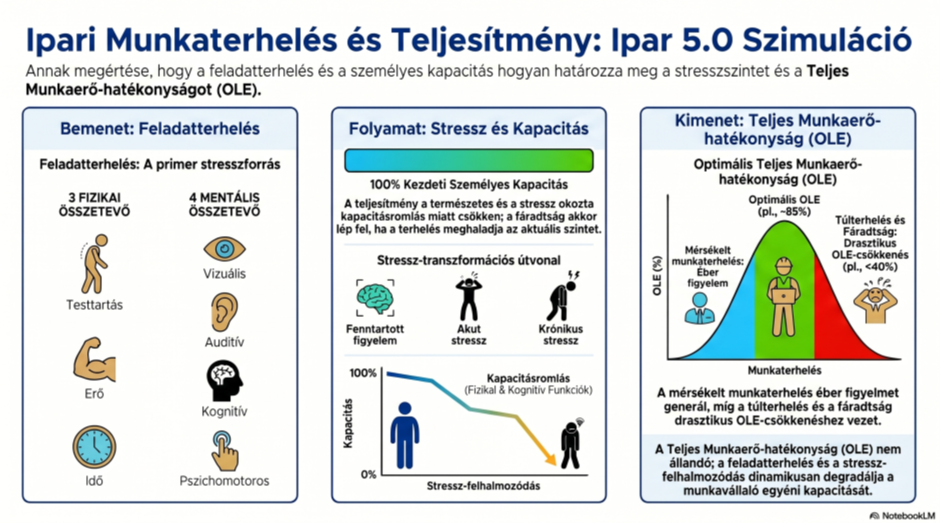
How Industrial Work Can Stress Us Out: A New Computer Model to Keep Workers Healthy and Productive
Industrial workers frequently face demanding physical and mental tasks that lead to psychological stress, burnout, and fatigue, which ultimately hurts their daily performance and health. Existing methods for managing this problem often ignore how specific parts of the work content—like uncomfortable posture, required force, and cognitive demands—directly trigger this stress cycle. To solve this, researchers…
Innovative Ideas and Successful Pitches at INNOMEET XVI
Another Step Towards the MakerSpace – Makerspace Day Held for the Second Time
How AI is Reshaping Medical Research: A New Tool for Automated Literature Screening
Generative AI Sparks a New Era in Ergonomics: Virtual Subjects Help Design Safer Machines